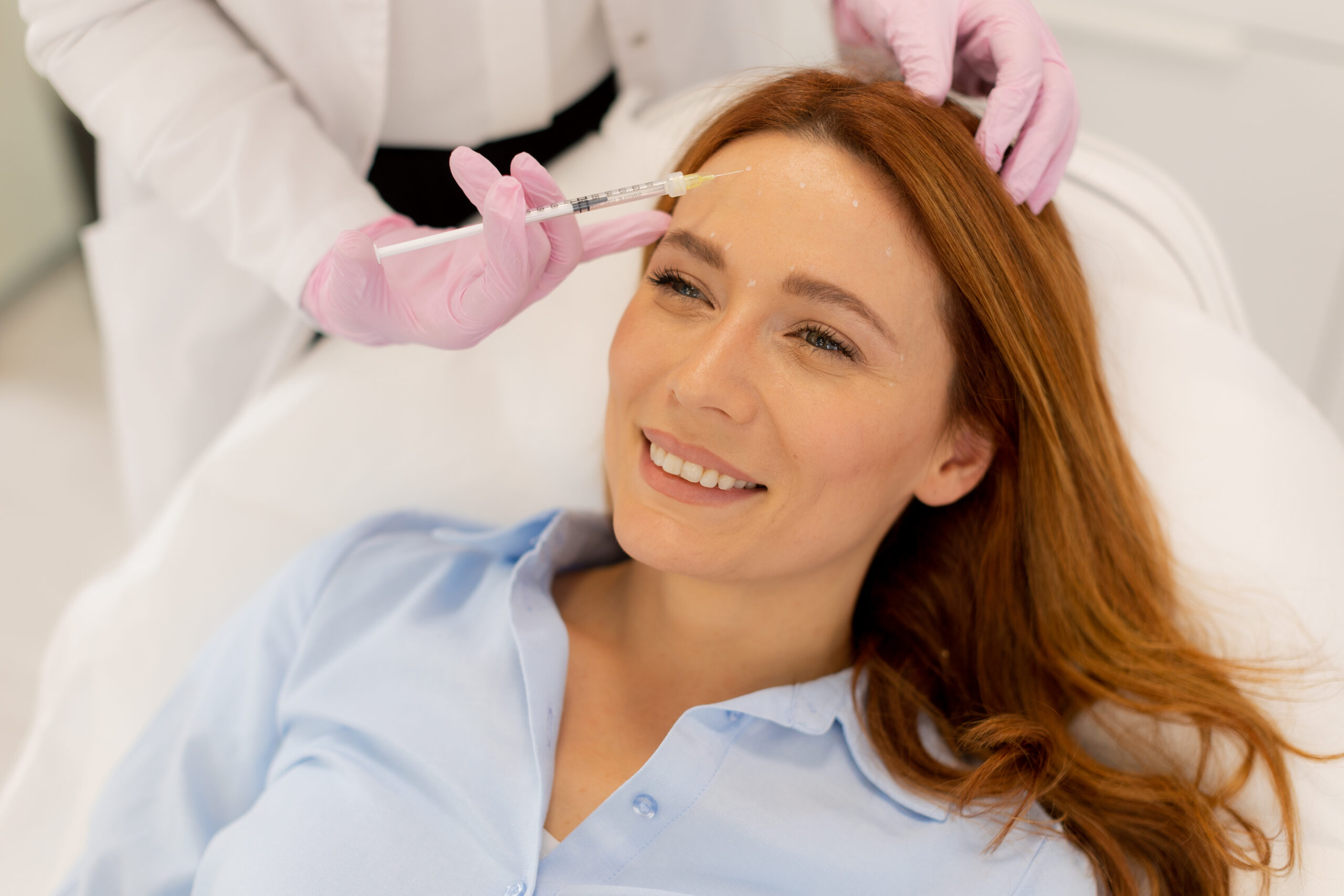
Allergan Botox is a widely recognised treatment used for both cosmetic enhancements and medical conditions. It was originally developed for therapeutic applications, but has since gained prominence for its ability to reduce the appearance of fine lines and wrinkles by temporarily relaxing targeted muscles. Botox is also utilised in the treatment of chronic migraines, muscle disorders, and excessive sweating. In this blog post, we’ll take a in depth look at how Allergan Botox works, its various applications and important considerations for those considering treatment.
What is botox?
Botox is a purified form of botulinum toxin type A, derived from the Clostridium botulinum bacterium. Whilst botulinum toxin is known for its potential toxicity in large amounts, when administered in controlled doses, it serves as an effective treatment for reducing wrinkles, muscle spasms, and several medical conditions.
How does botox work?
Botox works by temporarily blocking signals that tell muscles to contract. When injected into specific areas, it prevents excessive movement, causing the muscles to relax. In cosmetic treatments, this helps smooth out wrinkles caused by repeated facial expressions like frowning or squinting.
What medical conditions can Allergan Botox be used for?
Beyond its cosmetic benefits, Botox is used to treat a range of medical conditions, including:
- Chronic migraines – Reducing the frequency and severity of headaches.
- Hyperhydrosis (excessive sweating) – Blocking nerve signals that trigger sweat production.
- Overactive bladder – Relaxing the bladder muscles to reduce urinary incontinence.
- Muscle spasticity and movement disorders – Treating conditions such as cervical dystonia and blepharospasm.
Treatment process with Allergan Botox
- Consultation – A qualified medical professional assesses your concerns, discusses your goals, and determines if Botox is the right treatment for you.
- Preparation – The treatment area is cleaned, and in some cases, a numbing agent or ice pack may be applied to minimise discomfort.
- Injection – Using a fine needle, the provider injects small amounts of Botox into targeted muscles. The number of injections depends on the treatment area and desired results.
Potential side effects
When administered by a qualified professional, Botox is generally considered safe. However, some potential side effects may occur, including:
- Mild swelling, bruising, or pain at the injection site.
- Temporary drooping of the eyelid or eyebrow.
- Headache or flu-like symptoms.
- Rarely, unintended muscle weakness in surrounding areas.
It is essential to consult with a licensed medical professional before undergoing Botox treatment to ensure suitability and minimise the risk of complications.
What to avoid post-treatment
After receiving Allergan Botox, it’s important to follow specific guidelines to ensure optimal results and minimise potential side effects. Here are some recommendations on activities and substances to avoid post-treatment:
-
Strenuous physical activity – If you have not engaged in regular exercise prior to your Allergan Botox treatment, it’s advisable to resume physical activities gradually.
-
Rubbing or massaging the treated area – Avoid touching, rubbing, or massaging the injection sites. This helps prevent the spread of the toxin to unintended areas, which could lead to complications.
-
Lying down immediately after treatment – Refrain from lying down for at least four hours post injection. This precaution helps prevent the migration of Botox to adjacent muscles.
-
Alcohol consumption – It’s recommended to avoid alcohol for 24 hours before and after the procedure, as it can increase the risk of bruising at the injection sites.
-
Exposure to heat – Steer clear of activities that expose you to excessive heat, such as saunas, hot tubs, or intense sun exposure, for at least 24 to 48 hours post-treatment. Heat can potentially increase the risk of bruising and swelling.
-
Blood-thinning medications and supplements – Consult your healthcare provider about the use of blood thinning medications or supplements like aspirin, ibuprofen, or vitamin E, as they can increase the likelihood of bruising.
-
Facial treatments – Avoid scheduling facials, chemical peels, or microdermabrasion sessions for at least one to two weeks after your treatment to prevent irritation or unintended effects.
Note: Botulinum Toxin is a prescription only medicine and can only be prescribed to those with viable licenses. For full product guidelines, dosage recommendations, and safety information, refer to the official product guidelines on the Electronic Medicines Compendium (eMC) or read the patient information leaflet provided with the product. This blog post is for informational purposes only and should not be considered medical advice. Always consult a licensed medical professional for Botox treatments.