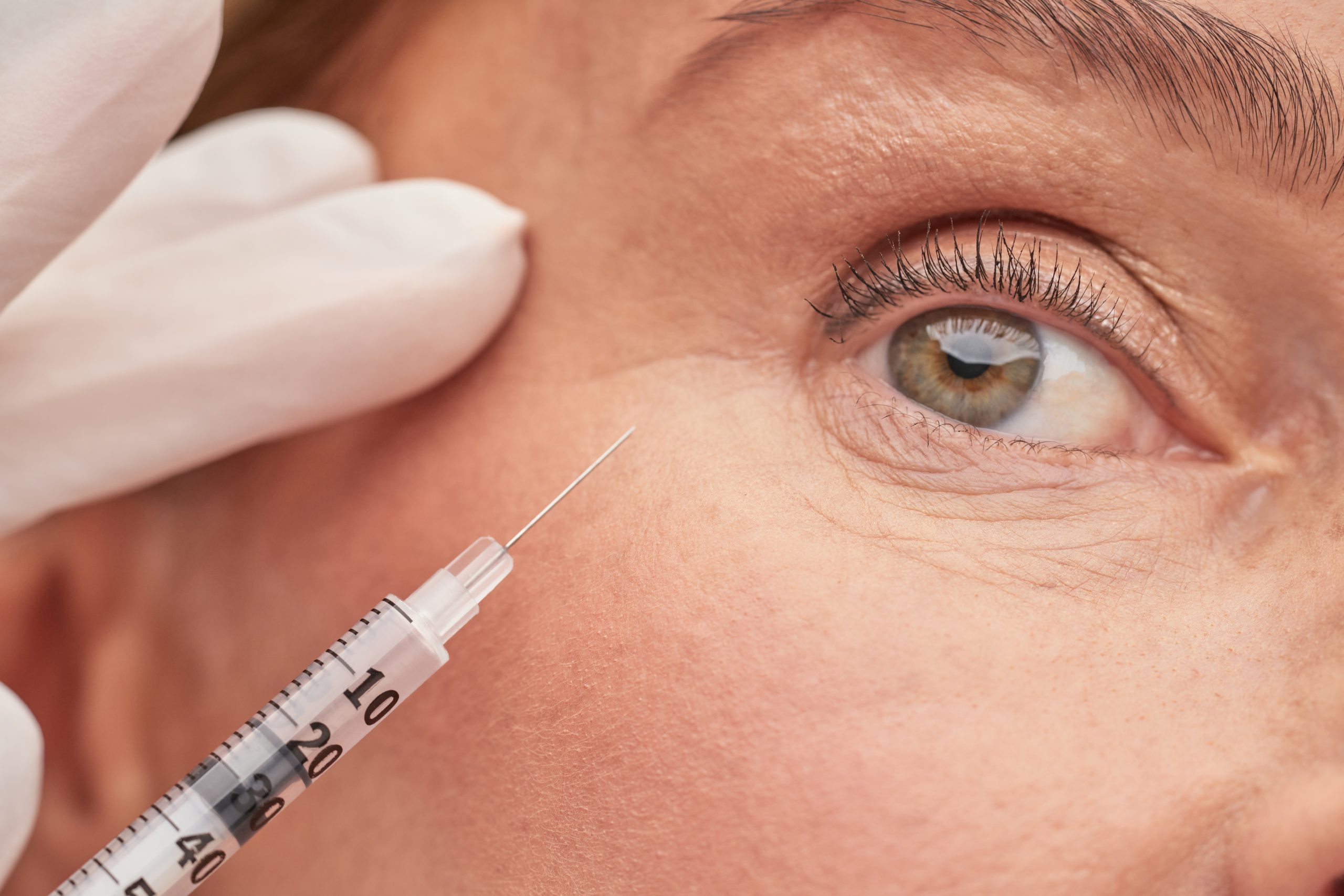
Injectable treatments around the eyes have become one of the most in demand aesthetic procedures in recent years. From dermal fillers to the increasingly popular polynucleotide injections, these treatments promise a refreshed, youthful look without the need for surgery. But given the delicate nature of the eye area, many people understandably ask: Are they safe? In this post, we’ll explore what these treatments are, how they work, the risks involved, and how to choose the safest path forward.
What are the most common injectable eye treatments?

There are several injectable options designed to rejuvenate the eye area, each with different mechanisms:
Tear trough fillers
These typically use hyaluronic acid (HA) to restore lost volume under the eyes, reducing the appearance of dark circles and hollows. Products like Juvederm Volbella and Restylane are among the most commonly used.
Polynucleotide (PN) treatments
Polynucleotides are fragments of DNA and RNA derived from salmon or trout, used in biorevitalisation. Unlike fillers, they don’t add volume. Instead, they stimulate cell regeneration, improve hydration, and support tissue repair, making them ideal for treating fine lines, crepey skin, and dullness under the eyes.
Popular brands include Plinest and Nucleofill.
Common side effects – mostly temporary
Like most cosmetic injectables, under eye fillers can cause the following side effects:
- Bruising and swelling
- Discoluoration or bluish tint
- Lumps or uneven texture
- Persistent edema – A less common but potentially longer term swelling
These side effects usually resolve in a few days to weeks. In a large study of 136 patients in 2020, most patients reported no major complication post-treatment, usually minor bruising and swelling that lasts up to 4 weeks.
Rare but serious risks
Though uncommon, under eye injectable treatments carry serious risks that are vital to acknowledge:
- Vascular occlusion – If filler enters an artery, it can cause tissue death, stroke, or even blindness.
- Infection or granuloma – Rare adverse reactions that typically require medical management.
- Blindness – Extremely rare but devastating; mostly linked to non-medical settings and improper technique.
Key safety factors to consider before treatment

Choose a qualified injector
In the UK, under eye injectables like tear trough fillers should be performed by qualified medical professionals such as doctors, dentists, or nurses. Whilst non-medical practitioners can offer these treatments, they should do so only under the supervision of an appropriately trained healthcare professional. For delicate areas like the eyes, it’s safest to choose a specialist with in depth anatomical knowledge who can manage rare complications such as vascular events.
Learn more about choosing the right injector here.
Use the right technique
Cannulas are the most common tool used with injectable eye treatments as they are often safer than needles, reducing bruising and vascular risk. Gentle, slow injections with awareness of anatomy dramatically reduce complications.
Choose appropriate fillers
Low-viscosity, reversible hyaluronic acids are preferred under the eyes. Brands like Restylane, Juvederm, and TEOSYAL have strong safety profiles.
Follow aftercare guidelines
Use ice compresses, avoid blood thinners/alcohol pre and post-treatment, and gently massage to help minimise swelling and lumps.
In conclusion…
Injectable eye treatments with hyaluronic acid are generally safe when done by experienced, medically qualified professionals using proper techniques and products. Whilst temporary side effects like bruising and swelling are common, serious issues like vascular occlusion and blindness remain rare but can be a real risk.
To make the safest choice:
- Do your research: focus on qualifications and track record.
- Prioritise technique: cannulas, gentle injection, anatomy expertise.
- Use reversible, well-studied fillers if opting for tear trough fillers.
- Follow proper aftercare.