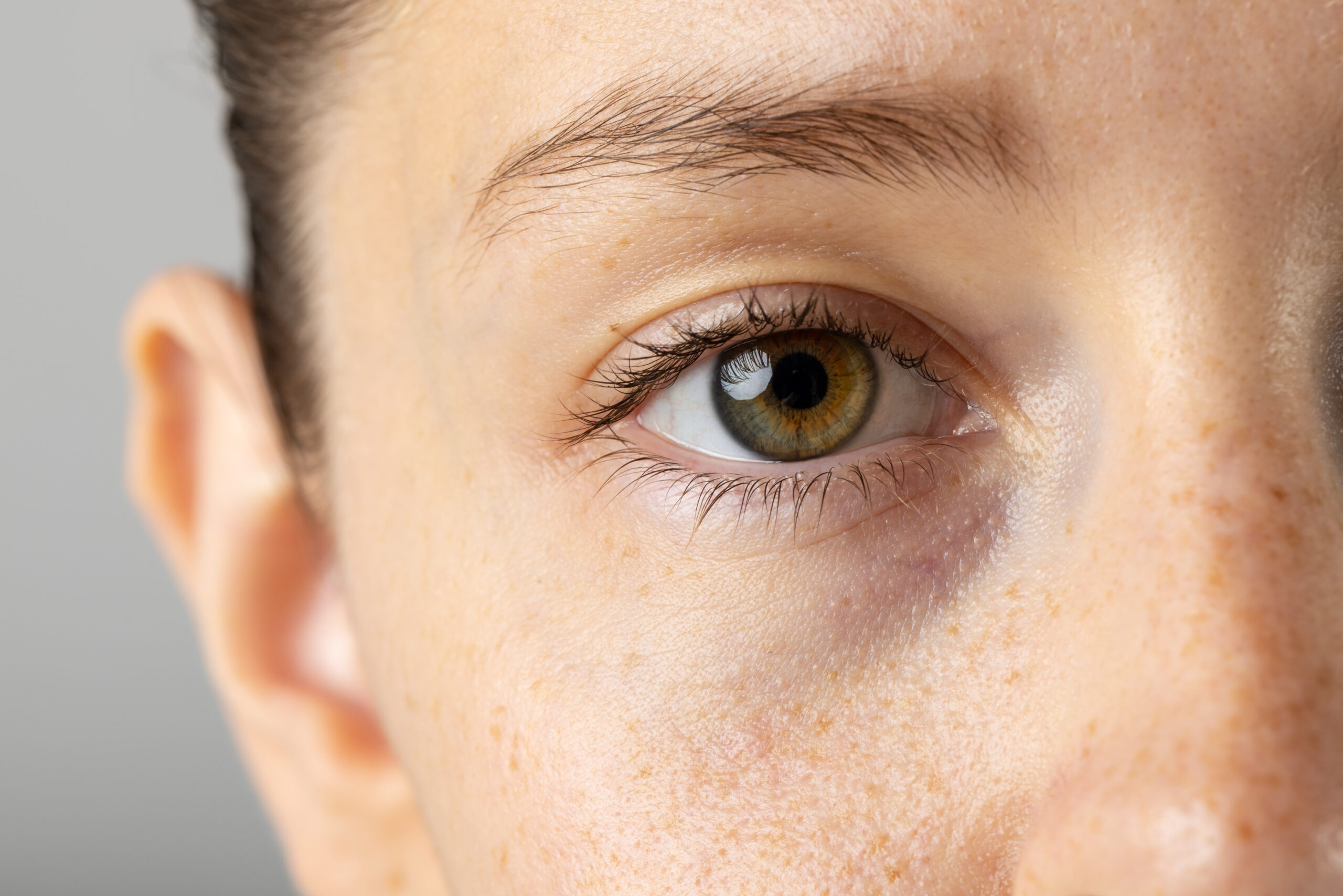
Dark circles under the eyes are a common concern that can affect anyone, regardless of age, gender, or lifestyle. They’re often blamed on lack of sleep or stress, but the real causes are more complex (and sometimes surprising). In this post, we’re separating the myths from the facts to help you understand what really causes dark circles – and what doesn’t.
Myth #1: Dark Circles Only Happen When You’re Tired

Truth: Fatigue Can Contribute – But It’s Not the Only Reason
Yes, being tired can make dark circles appear more prominent. When you’re sleep-deprived, blood vessels under the eyes can dilate, causing a bluish or purplish hue. But fatigue isn’t the root cause for everyone.
Other major factors include:
-
Genetics – According to the American Academy of Dermatology (AAD), hereditary pigmentation is a major contributor, especially in people with darker skin tones. Source: AAD
-
Age-related thinning of the skin – As we get older, skin loses collagen and becomes more transparent, revealing the blood vessels underneath. Source: Cleveland Clinic
-
Allergies and nasal congestion – These conditions can cause blood to pool under the eyes, worsening discolouration.
Myth #2: Dehydration Is the Main Cause

Truth: Hydration Helps, But It’s Not the Main Cause
Whilst dehydration can make your skin look dull and emphasise shadows, it’s not typically the primary cause of dark circles. If you’re chronically dehydrated, yes, it could contribute to puffiness or a tired appearance but simply drinking more water won’t erase hereditary or structural causes.
Myth #3: Sun Exposure Doesn’t Affect Dark Circles

Truth: UV Damage Can Make Them Worse
Unprotected sun exposure can increase melanin production, darkening the skin around the eyes. This is particularly true for individuals who already have a genetic predisposition to hyperpigmentation.
The Journal of Clinical and Aesthetic Dermatology notes that excessive sun exposure is a major trigger for periorbital hyperpigmentation (the clinical term for dark circles). Source: JCAD
Tip: Always wear sunscreen around the eyes (opt for a mineral-based one to avoid irritation).
Myth #4: It’s Just a Cosmetic Issue

Truth: Sometimes It’s a Sign of an Underlying Health Issue
Dark circles are usually harmless, but they can occasionally indicate underlying issues such as:
-
Anaemia – Low iron levels can reduce oxygen flow to tissues, giving a pale or darkened appearance under the eyes.
-
Allergies or eczema – Chronic rubbing or inflammation can worsen pigmentation.
-
Thyroid conditions – Hormonal imbalances can affect skin texture and colouration.
If you notice a sudden change or worsening of your under-eye appearance, consult a dermatologist or a healthcare professional.
Myth #5: You Can Get Rid of Them Completely with Creams
Truth: Topicals Can Help, But Results Vary
Eye creams with ingredients like retinol, vitamin C, niacinamide, or caffeine can reduce puffiness and improve skin tone. But topical products won’t eliminate structural shadows or genetically inherited pigmentation.
The British Journal of Dermatology suggests that treatment often requires a combination of approaches, including topicals, lifestyle adjustments, and in some cases, procedures like dermal fillers or laser therapy. Source: BJD
What treatments should I use for dark circles?
The most effective treatment depends on the underlying cause—whether it’s pigmentation, thin skin, visible blood vessels, or volume loss.
- Topical creams – opt for products that contain ingredients like retinol, vitamin C, caffeine, or peptides can improve skin tone and texture over time.
- Dermal fillers – may be suitable for those with hollowness or tear trough volume loss.
- Laser treatments – can help reduce pigmentation or visible veins.
- Lifestyle changes – including consistent sleep, allergy control, and daily sun protection can also play a supportive role.
Here at Refine Pharma, we recommend polynucleotide treatments for the under-eye area. These injections work on a cellular level to regenerate and strengthen the skin, improve hydration, and reduce inflammation – making them a promising option for targeting the multiple causes of dark circles.
What are polynucleotides?
Polynucleotides are injectable biostimulators that encourage skin regeneration at a cellular level. Unlike simple hydrating treatments, they initiate repair processes within the skin, supporting cell turnover, collagen production, and tissue hydration. The result is stronger, healthier skin that appears brighter, firmer, and more refreshed.
Nucleofill Eyes
One of the leading treatments we offer is Nucleofill Eyes (formerly known as Nucleofill Soft Plus). This targeted polynucleotide formula is specifically designed for the delicate eye area. It helps to:
- Reduce the appearance of dark, sagging under-eye skin
- Minimise fine lines and periocular wrinkles
- Brighten and rejuvenate tired looking eyes
With minimal downtime and only mild side effects – such as temporary redness, swelling, or bruising – Nucleofill Eyes is a gentle yet effective option for those seeking natural looking, youthful results.